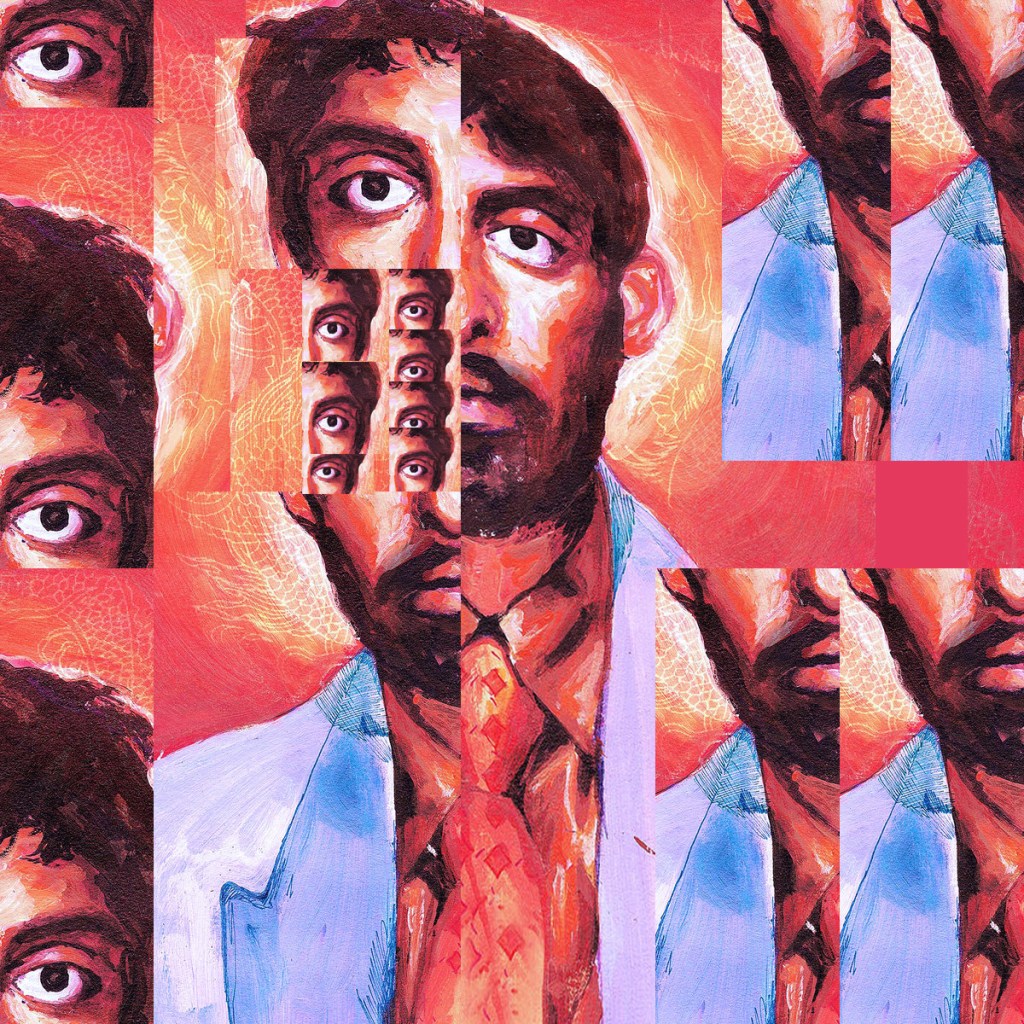
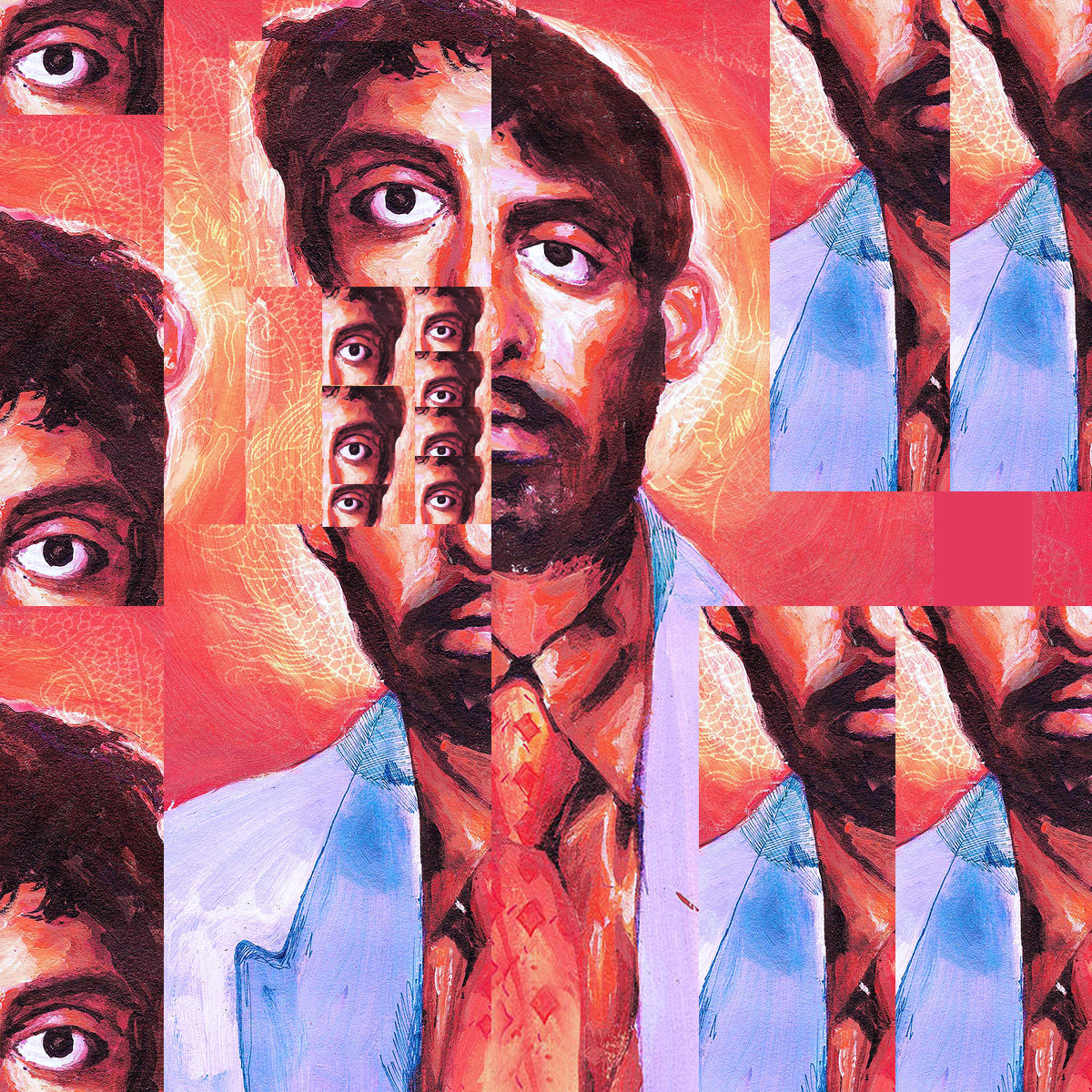
Lifafa’s new album, Jaago, is an absolute delight. You can listen to it on Youtube, Soundcloud, and Apple Music. The first song on the album is the title track. There’s a lot to say about creation that begins with a call to wake up, to awaken—that which simultaneously requests and commands attention, an awareness of that which surrounds us—that which pulls us out of slumber. As is the fate of all knowledge, slumber doesn’t exist in the absence of its associative discourse, but before I look at the implications of an assumed state of slumber of the listener, because to be clear, Lifafa is awake, and it is the artist as the speaker in the song who is calling out to the listener, who, in turn, is in that state of slumber. To make things even more clear, the track is called ‘Jaago’ which is Hindi for ‘Awaken!,’ and of course, the exclamation mark is one way to read a hanging jaago, another is, the rather simple, ‘wake up.’
https://www.instagram.com/p/BsYUU5Xn7Df/?utm_source=ig_web_button_share_sheet
Lifafa isn’t very subtle about his intentions to craft music which, in my mind, can only serve dissonance. All through his album, sounds, melodies, they fight with each other, for space, and for attention in the listener’s mind, but only so far as he allows them to, the multiple instruments that feature on this album, the constant dwelling between what is classical, and what is modern, what is mechanical, and what is original. My point is that there is a constant contradiction that makes itself felt in all of Lifafa’s music, a tension amongst the various elements in each individual song. At this stage in the text, it becomes necessary to introduce an important concept which I will often return to, the concept of ‘the speaker in the song,’ and that which means something similar, ‘the artist as speaker.’
The speaker in the song is the male voice that is absolutely removed from any in-process or post-processing transformation, something that can’t be said of much of the music in the album. And I mean processing in that care was taken to make it sound as plain utterance. When I say that there is a contradiction that makes itself relevant in each of Lifafa’s songs, one interesting location of this contradiction is the tension between the music and the voice of the speaker in the song—tension and dissonance between the multiple layers of sound.
Doob raha hai
yeh desh yahaan
aaj saath nahin
Zubaan
I wanted to write this in the chronology of the album but my mind was rendered distraught by Candy, which makes this dissonance, this dialectical tendency, the most evident and the most immediately felt, even in the absence of the speaker in the song and the artist as the speaker, perhaps the truest representation of the artist’s merit as a musician. The first track on the album begins fades in that discord, amongst a wail for the country, a wail for the absence of a ‘tongue,’ speech, zubaan. The first song makes the listener aware that the album, the speaker in the album, intends to wake them up from their current state of being. But what is it that they’re waking up from comes only in the second song. I would want to make it very clear that the last song of the album, MJRH, doesn’t present a final stage of whatever that the listener is waking up to, this album remains simply a call to waking up, and not as much a manual for it. It says everything that needs to be said but does very little to make it happen.
I am not entirely sure if the construct validity of my reading lies in being able to justify a narrative that runs through the songs on the album. I did not declare narrativity as much as an array-like organisation of elements that characterise all the songs on that album, not that the album is a sum total of its tracks and that there’s a logic to the order of these tracks. With the second track, the listener is listening and they’re definitely more aware than asleep, if not absolutely awoken. One of the curious personality traits that characterise the singer in the song, and the album, is disillusionment with life, one specially marked by a nostalgic melancholy for the past, the glorious age of youth.
yun hi
khatam jawani
The artist/speaker is tired of life, as it exists. With hope for being, he asks the listener to be “mere saath” and forget the structures that make up this world of the lost youth. Jawani is a particularly potent symbol in much of the album. There is much to say about the way in which the mention of jaat and bhagwaan interact with the lost youth. That the age of jawaani has passed, and that the zubaan is lost, the speaker in the song seems to be struggling with life, what he refers to as jeene ka hai mamla, baazu mein ilaaj. The loss of that blissful age of youth, one which is juxtaposed with the reality of exclusionary structures, is likened to a sickness—the cure to which lies in the call to awaken, to wake up as Lifafa brings us to life. I wouldn’t want to make Lifafa sound like another Billy Joel riding on the back of the troubles of an entire population, instead, Lifafa seems to have gone through it all, and it is indeed from the other side that he calls out to the listener. More on this when I speak about Nikamma in #2.
chod aao woh jaat
chod aao sansar
aur aao mere saath
Before we begin asking the real question of where exactly is it that we’re going, a question that we’ll only get an extremely nominally representative answer to, it serves well to ask, what do we know about the reasons for this loss. As the episode in the song chaku chidiya goes, it seems that the youth was lost in absent illusions of delight, in music, and not conversation. The speaker seems to be recalling that his youth was lost in absent delight, in the aftermath of him having drunk the poison. The poison is another common symbol that finds itself in almost every song of this album. In my mind, the sound that leads up to chaku chidiya recalls a very jubilant scene of various experiences characterised by sensory delight. And in the dallying between dialogue and music, the youth was spent. The statement that requests a song “kuch gaa de sahi” can also be viewed as an aftermath to having drunk the poison, in which case, the song becomes the request of a dying person. As convenient and conventionally appropriate this explanation might seem, in the logical order of the song, as it brings together the lyrics and the absurd high-pitched voice which overstimulates, I remain biased to the former explanation. One of the reasons that I believe in looking at chaku chidiya as representative of absent sensory delights, in light and in music, is that it provides me with an image to juxtapose against Tennessee’s Glass Menagerie, and the Unicorn, but that, of course, is a private conversation with the author.
If the first song acts as an introductory call, and the two that follow establish the premise of discontent with the location that the speaker finds himself in and the image of the Pied Piper leading the listener to an alternate reality of brilliance, the fourth song in the album is a snippet of an extremely honest exchange between the artist as the speaker in the album and the listener. This is all for now.
https://www.instagram.com/p/BsLb1MHH7FE/?utm_source=ig_web_button_share_sheet

 Dhruv's Website